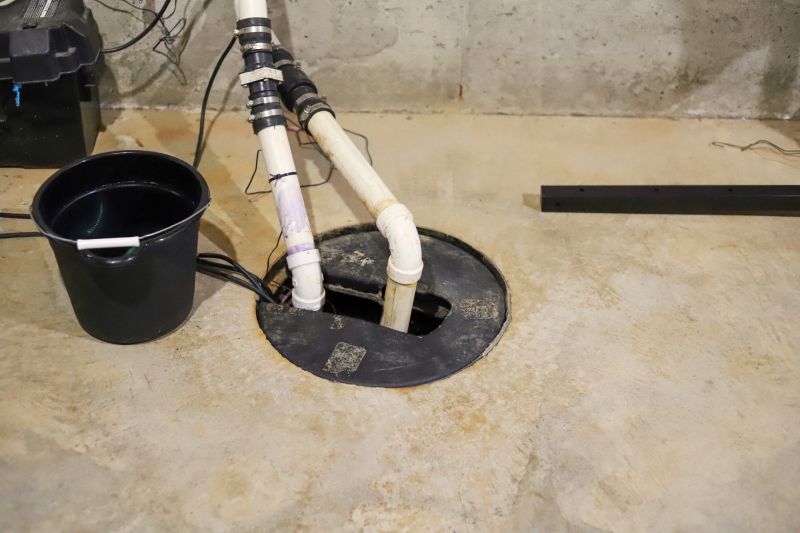
Basement Drainage Installation in Manchester, NH
Basement drainage installation services focus on improving the way water is managed around a property’s foundation to prevent issues such as flooding, water seepage, and structural damage. These projects typically involve installing drainage systems like interior or exterior drain tiles, sump pumps, and water diversion solutions designed to direct excess water away from the basement area. Property owners often seek this service when experiencing persistent basement moisture, water intrusion after heavy rains, or when planning renovations that require effective water management to protect the space and maintain structural integrity.
Before requesting basement drainage installation, homeowners usually want to understand the scope of work involved, the types of drainage systems suitable for their property, and how the installation can address specific water concerns. It’s important to consider factors such as the property's slope, soil type, and existing drainage conditions to determine the most effective solution. Clear communication about the goals for water control and any existing issues can help ensure the installation meets the property’s needs and provides long-term protection against water-related problems.
Many property owners in Manchester, NH look into Basement Drainage Installation for repairs, replacements, upgrades, and appearance-related improvements.
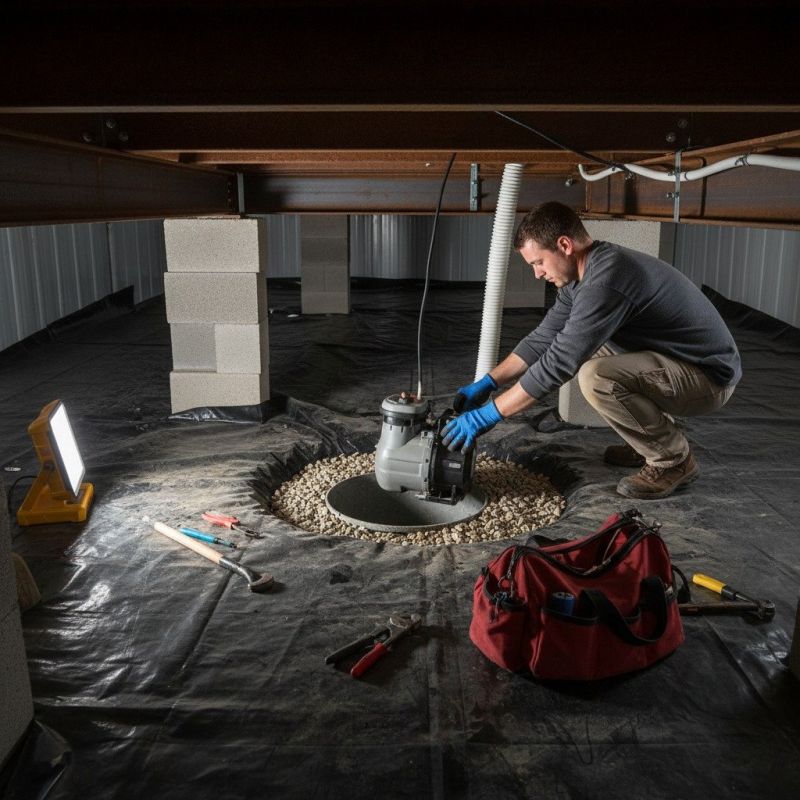
Purpose Of Basement Drainage
Proper drainage helps prevent water accumulation and protects basement foundations.
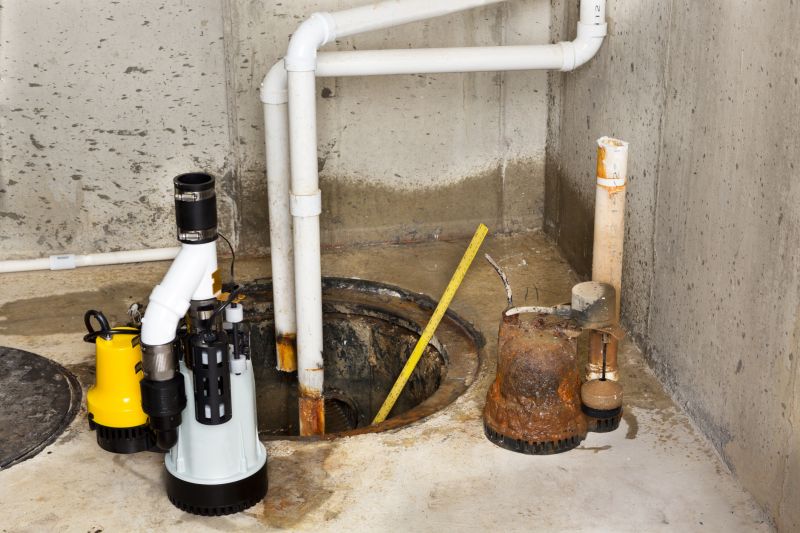
Common Drainage Solutions
Installing sump pumps, interior drains, and exterior weeping tiles are typical options for managing water flow.
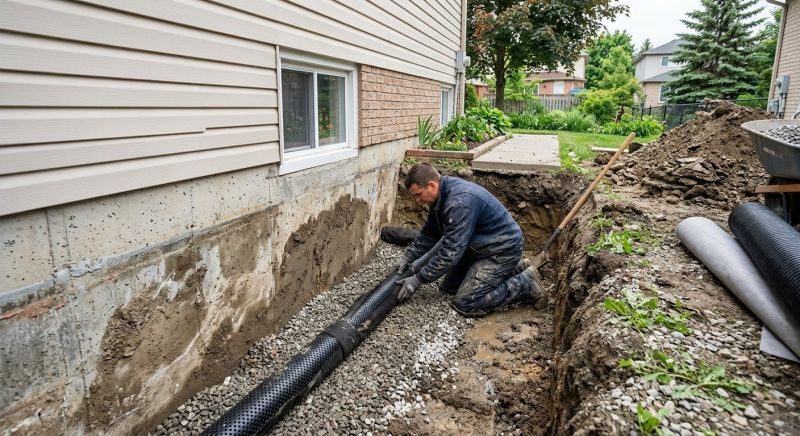
Benefits For Homeowners
Effective drainage reduces the risk of flooding, mold growth, and structural damage in manchester homes.
Basement Drainage Installation in Manchester, NH
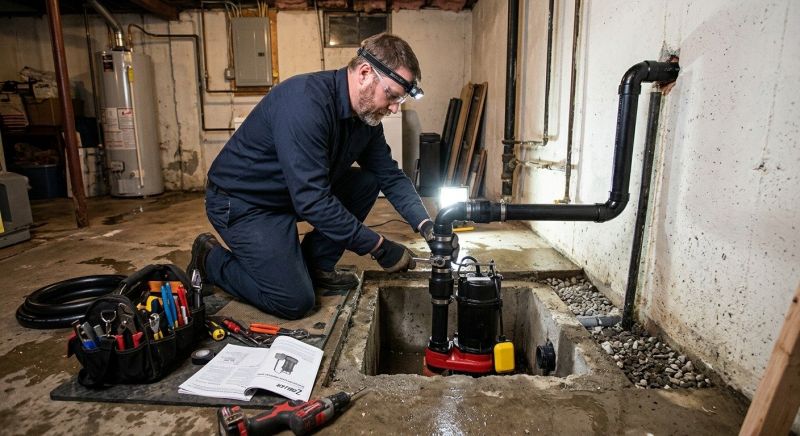
Basement drainage installation services focus on improving the way water is managed around a property’s foundation to prevent issues such as flooding, water seepage, and structural damage. These projects typically involve installing drainage systems like interior or exterior drain tiles, sump pumps, and water diversion solutions designed to direct excess water away from the basement area. Property owners often seek this service when experiencing persistent basement moisture, water intrusion after heavy rains, or when planning renovations that require effective water management to protect the space and maintain structural integrity.
Before requesting basement drainage installation, homeowners usually want to understand the scope of work involved, the types of drainage systems suitable for their property, and how the installation can address specific water concerns. It’s important to consider factors such as the property's slope, soil type, and existing drainage conditions to determine the most effective solution. Clear communication about the goals for water control and any existing issues can help ensure the installation meets the property’s needs and provides long-term protection against water-related problems.
Many property owners in Manchester, NH look into Basement Drainage Installation for repairs, replacements, upgrades, and appearance-related improvements.
Common Basement Drainage Installation Jobs
Basement Drainage Systems - installed to direct water away from the foundation and prevent flooding.
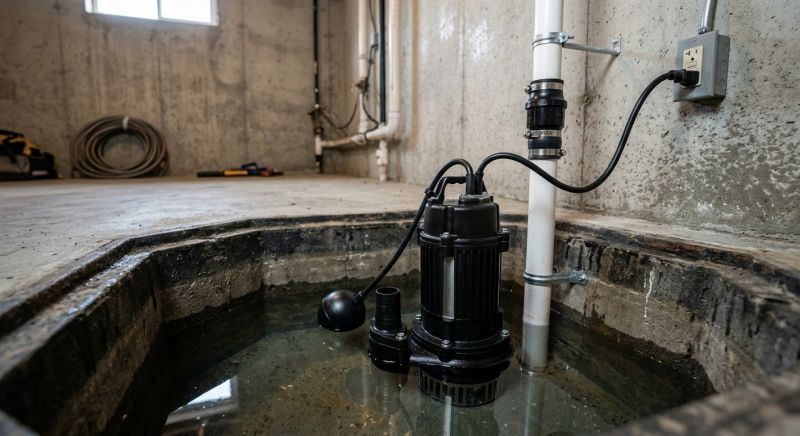
Sump Pump Installations - designed to automatically remove excess water and reduce basement moisture.
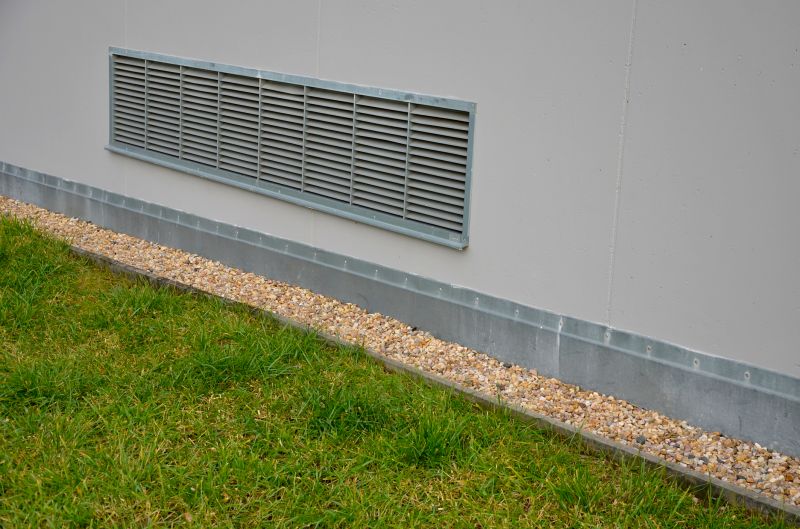
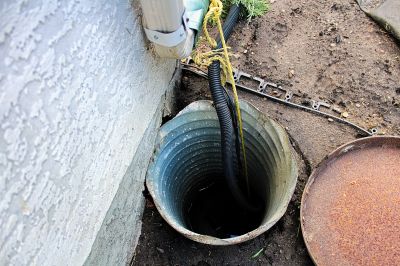
Drainage Channeling - tailored to redirect surface runoff and minimize water pooling near the foundation.
Drainage Repair - addressing existing issues with clogged or damaged drainage systems to restore proper flow.
Foundation Drainage Solutions - installed to protect basement walls from water infiltration and structural damage.
Waterproofing Drainage - integrated with drainage systems to keep basements dry and prevent mold growth.
Basement Drainage Installation Questions
What is basement drainage installation? It involves setting up a system to manage water around the foundation, helping prevent leaks and flooding in the basement.
Why is proper drainage important for basements? Effective drainage reduces the risk of water intrusion, mold growth, and structural damage caused by excess moisture.
What types of drainage systems are commonly installed? Common options include interior drain tiles, exterior waterproofing systems, and sump pumps to redirect water away from the foundation.
When should a property owner consider basement drainage installation? It is recommended when there are signs of water issues, or as a preventive measure in areas prone to heavy rainfall or poor drainage.
Request Basement Drainage Installation in Manchester, NH
Use the quote form on this page to share the basics of your project and request more information for the type of work you need.