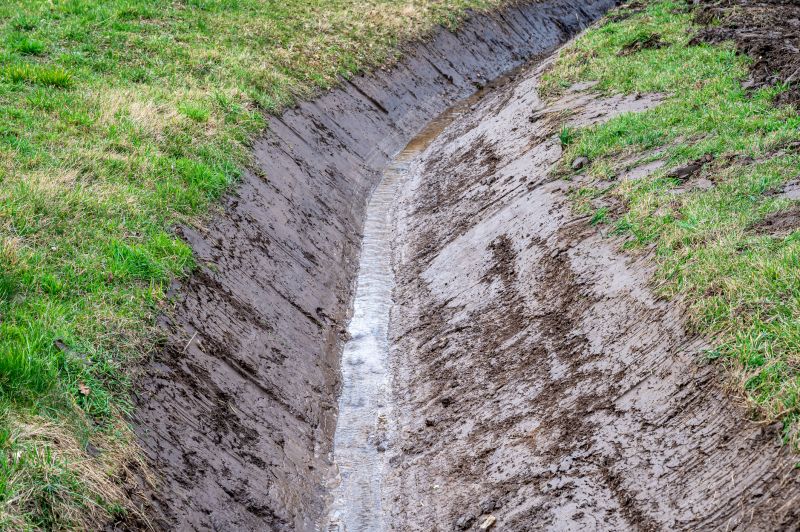
Ditch Installation in Atlanta, GA
Ditch installation services involve creating a designated channel or trench to direct water away from a property’s foundation, landscape, or other areas prone to water accumulation. These projects typically include installing drainage ditches, French drains, or other underground systems to prevent flooding, erosion, or water damage. Property owners often request ditch installation when managing stormwater runoff, improving yard drainage, or preparing for landscaping projects that require effective water management solutions.
Before requesting ditch installation, homeowners should consider the location and purpose of the drainage system, as well as the property's terrain and soil conditions. Understanding the scope of the project-such as the length and depth of the ditch, and whether additional components like piping or gravel are needed-can help ensure the system functions properly. Clarifying these details can assist in planning the most effective water management strategy tailored to the specific needs of the property.
Many property owners in Atlanta, GA look into Ditch Installation for repairs, replacements, upgrades, and appearance-related improvements.
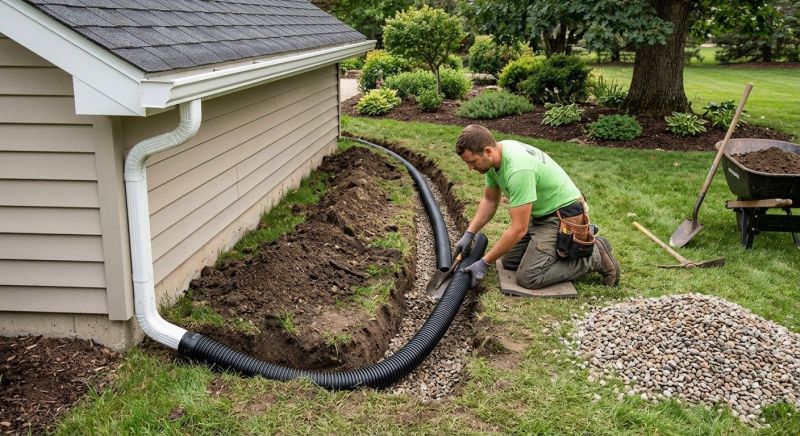
Types Of Ditches
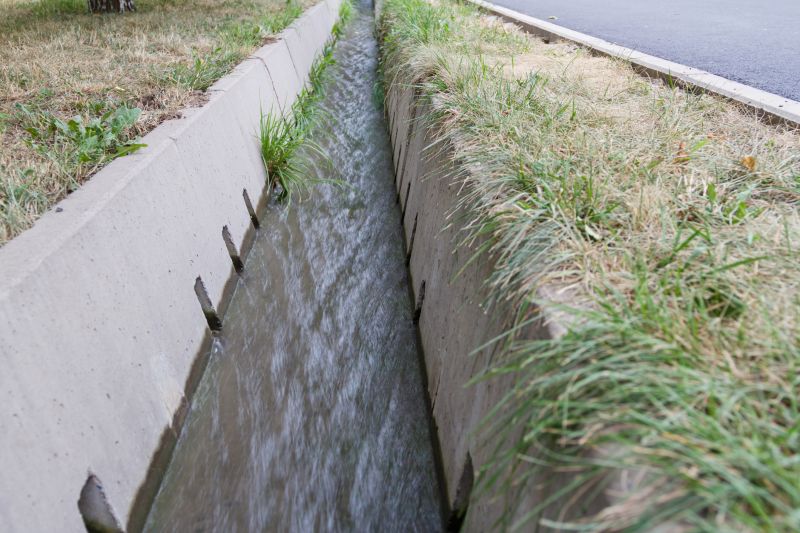
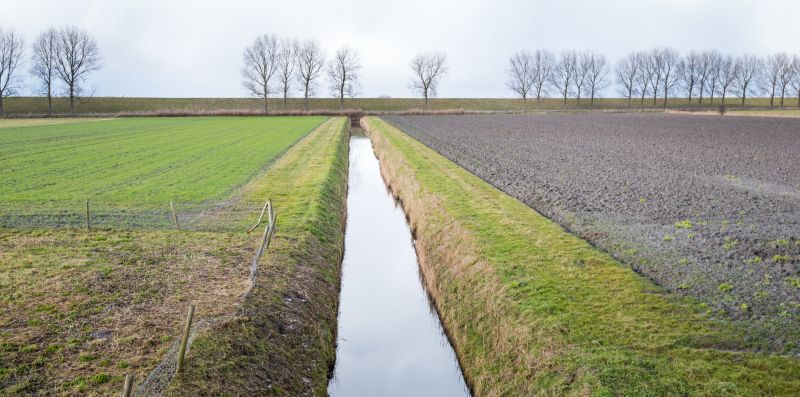
Different ditch styles are suited for drainage, irrigation, or property boundaries.
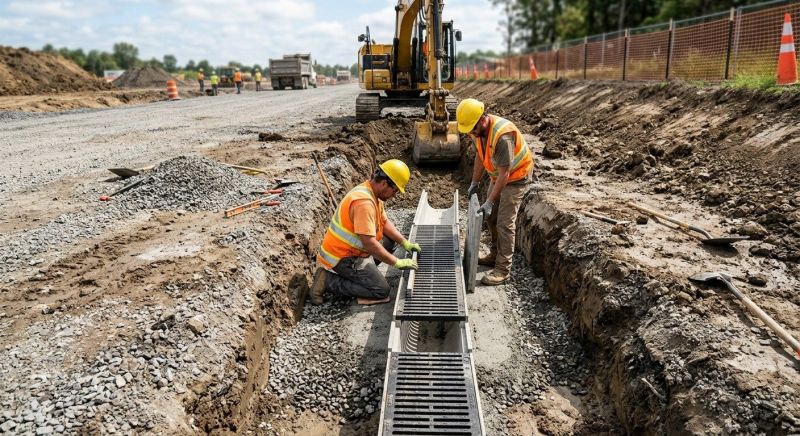
Common Applications
Ditches are often installed to prevent water pooling and protect landscaping in atlanta properties.
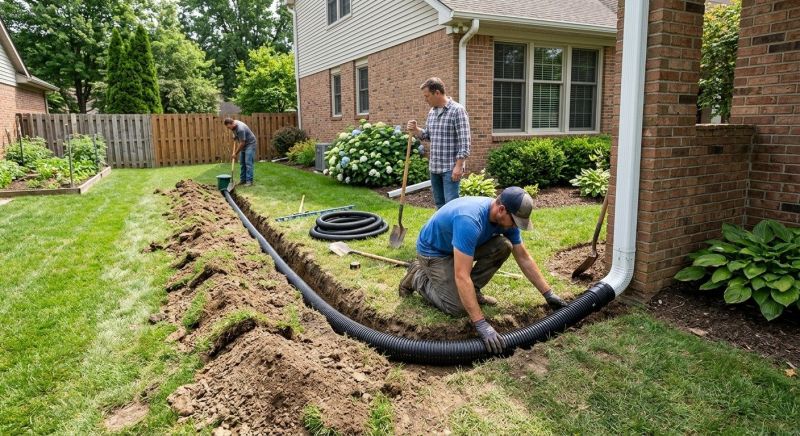
Installation Considerations
Proper grading and placement are essential for effective ditch performance and long-term durability.
Ditch Installation in Atlanta, GA
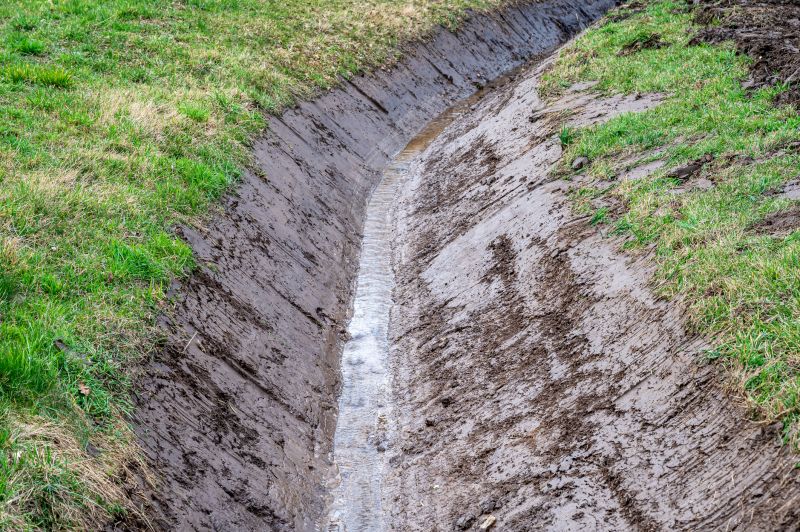
Ditch installation services involve creating a designated channel or trench to direct water away from a property’s foundation, landscape, or other areas prone to water accumulation. These projects typically include installing drainage ditches, French drains, or other underground systems to prevent flooding, erosion, or water damage. Property owners often request ditch installation when managing stormwater runoff, improving yard drainage, or preparing for landscaping projects that require effective water management solutions.
Before requesting ditch installation, homeowners should consider the location and purpose of the drainage system, as well as the property's terrain and soil conditions. Understanding the scope of the project-such as the length and depth of the ditch, and whether additional components like piping or gravel are needed-can help ensure the system functions properly. Clarifying these details can assist in planning the most effective water management strategy tailored to the specific needs of the property.
Many property owners in Atlanta, GA look into Ditch Installation for repairs, replacements, upgrades, and appearance-related improvements.
Common Ditch Installation Jobs
Drainage Ditch Installation - helps manage stormwater runoff and prevent flooding around the property.
French Drain Installation - directs excess water away from foundations to reduce water damage risks.
Swale Construction - creates natural channels to improve water flow and reduce erosion.
Dry Creek Bed Installation - enhances landscape drainage while adding aesthetic appeal.
Channel Ditch Installation - guides water along specific paths to prevent pooling and pooling issues.
Surface Drainage Solutions - ensures proper water runoff to protect landscaping and structures.
Ditch Installation Questions
What types of ditch installation projects are common? Ditch installation is often used for drainage, irrigation, or property grading to manage water flow effectively.
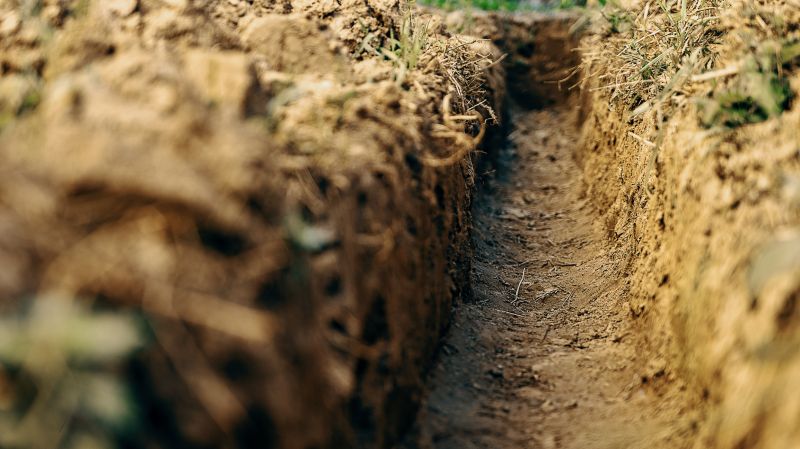
How deep should a ditch be? The depth of a ditch depends on its purpose and site conditions, typically ranging from a few inches to several feet.
What materials are used for ditch lining? Common lining materials include gravel, soil, or specialized fabrics to prevent erosion and improve durability.
Is permits required for ditch installation? Permit requirements vary by location; it’s advisable to check local regulations before beginning work.
Request Ditch Installation in Atlanta, GA
Use the quote form on this page to share the basics of your project and request more information for the type of work you need.